PRF uses components from your own blood to support the skin’s natural regeneration processes. Here is how it works, how it differs from PRP, and what to expect during treatment.
By Maggie Richard, RN, BSN
There is growing interest in aesthetic treatments working with the body’s own natural processes. While neuromodulators and dermal fillers are still valuable options, regenerative treatments deliver a different approach to supporting skin quality.
One of these treatments is platelet-rich fibrin (PRF), which uses components from your own blood to support the skin’s natural regeneration processes.
PRF contains platelets, growth factors, and a fibrin matrix. These components may help support collagen production and gradual improvements to skin texture and appearance.
But what exactly is PRF, and how is it different from PRP? Let us take a closer look at the science.
What is Platelet-Rich Fibrin (PRF)?
PRF, or Platelet-Rich Fibrin, is a second-generation platelet concentrate. It is an autologous treatment, meaning it is derived entirely from the patient's own blood. While it shares some similarities with the well-known Platelet-Rich Plasma (PRP) therapy (often popularized as the "vampire facial"), PRF represents a significant evolution in technology and effectiveness.
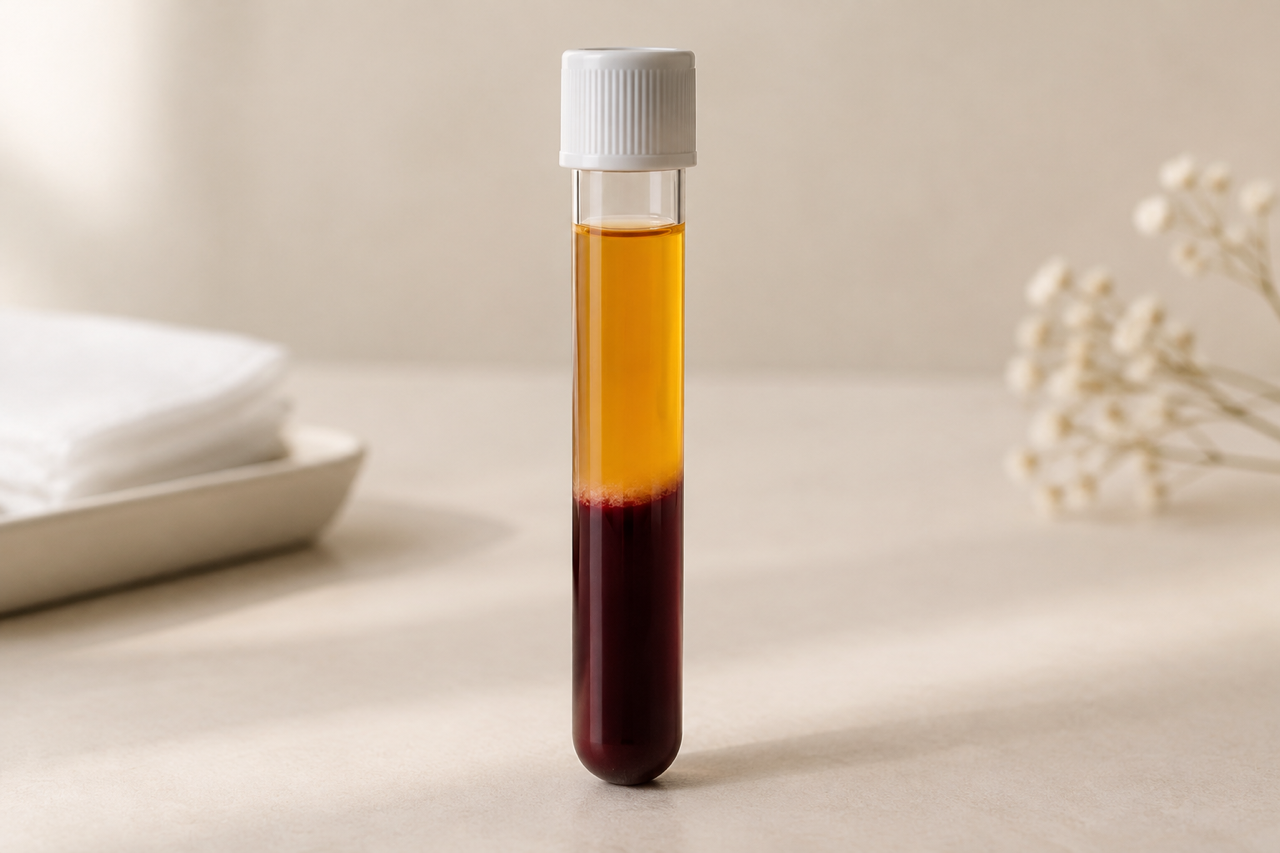
The procedure starts with a simple blood draw. This blood is then spun in a centrifuge at a low speed. This specific spinning process preserves a fibrin matrix rich in platelets, leukocytes (white blood cells), and growth factors. Unlike PRP, which often requires anticoagulants to prevent clotting, PRF is 100% natural. No additives are used, which allows the fibrin clot to form a scaffold, releasing growth factors slowly over time.
How does PRF differ from PRP?
While both treatments use the body's healing mechanisms, the structural differences are important.
Growth Factor Release: PRF forms a fibrin network, which supports a more gradual release of certain growth factors. The timing varies depending on the preparation method.
Cellular composition: Depending on how each product is prepared, PRF may retain different concentrations of platelets and white blood cells compared with PRP.
100% Natural: PRF is commonly prepared without anticoagulants, allowing a natural fibrin matrix to form.
The Science Behind the Glow
The magic of PRF is found in its components. Platelets are the cells in our blood responsible for clotting and healing. When concentrated, they become a powerhouse of growth factors.
When injected or applied to the skin, these platelets release specific proteins, which trigger the body's repair processes. This stimulates fibroblasts, the cells which produce collagen and elastin. Collagen provides structure and firmness to the skin, while elastin allows it to bounce back.
The presence of leukocytes (white blood cells) in PRF is also significant. Leukocytes play a vital role in immunity and tissue regeneration, further enhancing the anti-aging effects of PRF. The result is more than superficial, but instead a deep physiological improvement in skin quality.
What concerns does PRF treat?
PRF is incredibly versatile. Because it works by stimulating the body's natural regeneration, providers use it to address a wide variety of aesthetic concerns.
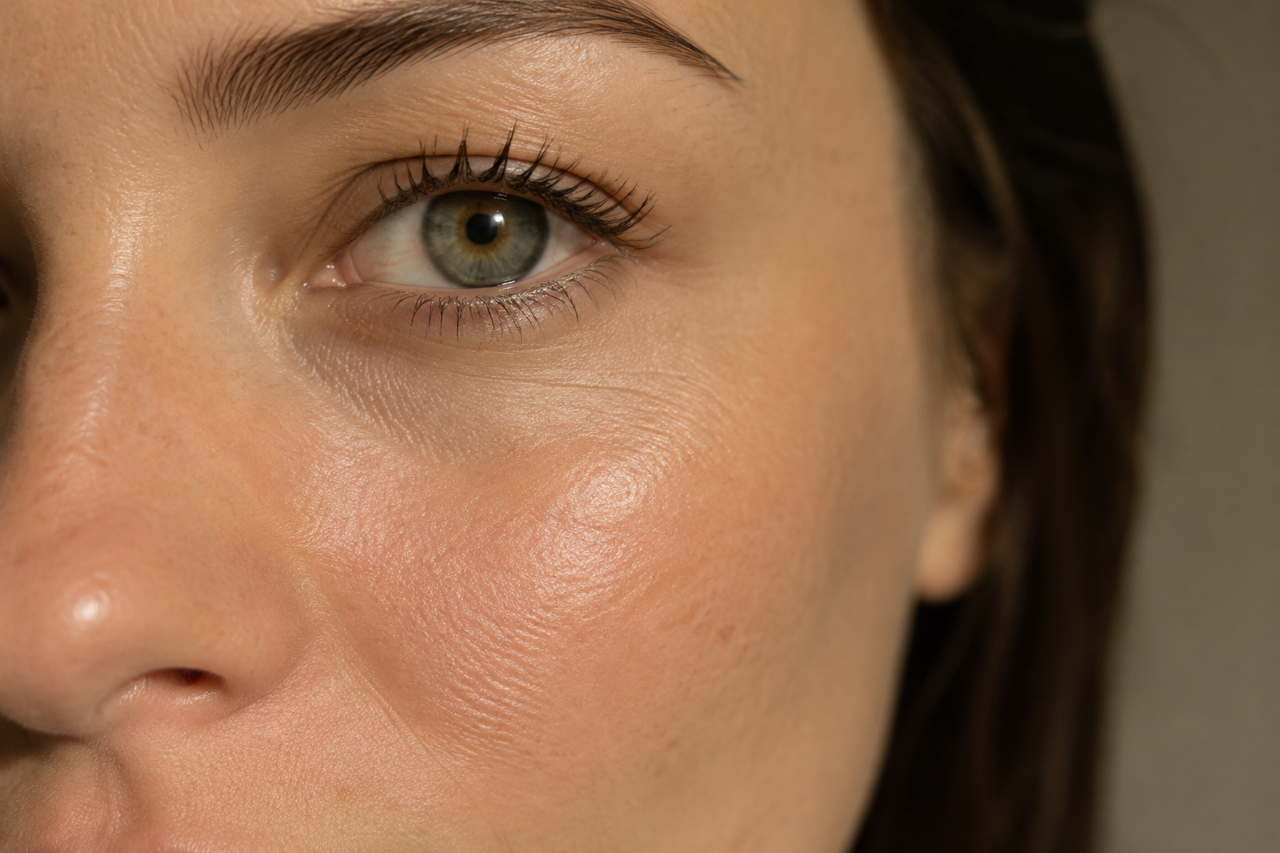
Under-Eye Hollows and Dark Circles
The delicate skin beneath the eyes is often one of the first areas where changes in skin quality become noticeable.
PRF may help support gradual improvements in skin texture and the appearance of fine lines in this area.
Some patients may also notice improvements in certain types of dark circles.
Not all under-eye concerns have the same cause. Pigmentation, visible blood vessels, skin thickness, and volume loss each contribute to the appearance of dark circles.
PRF is not a direct replacement for dermal filler, and results vary. A personalized assessment helps determine which treatment approach makes the most sense.
Fine Lines and Wrinkles
By supporting collagen production, PRF may help soften the appearance of fine lines and wrinkles across the face, particularly around the mouth (nasolabial folds) and eyes (crow's feet).
Acne Scarring
The healing factors in PRF may help improve skin texture over time. For those with acne scarring, PRF may support the repair of damaged tissue, contributing to more smooth, more even-looking skin.
Hair Restoration
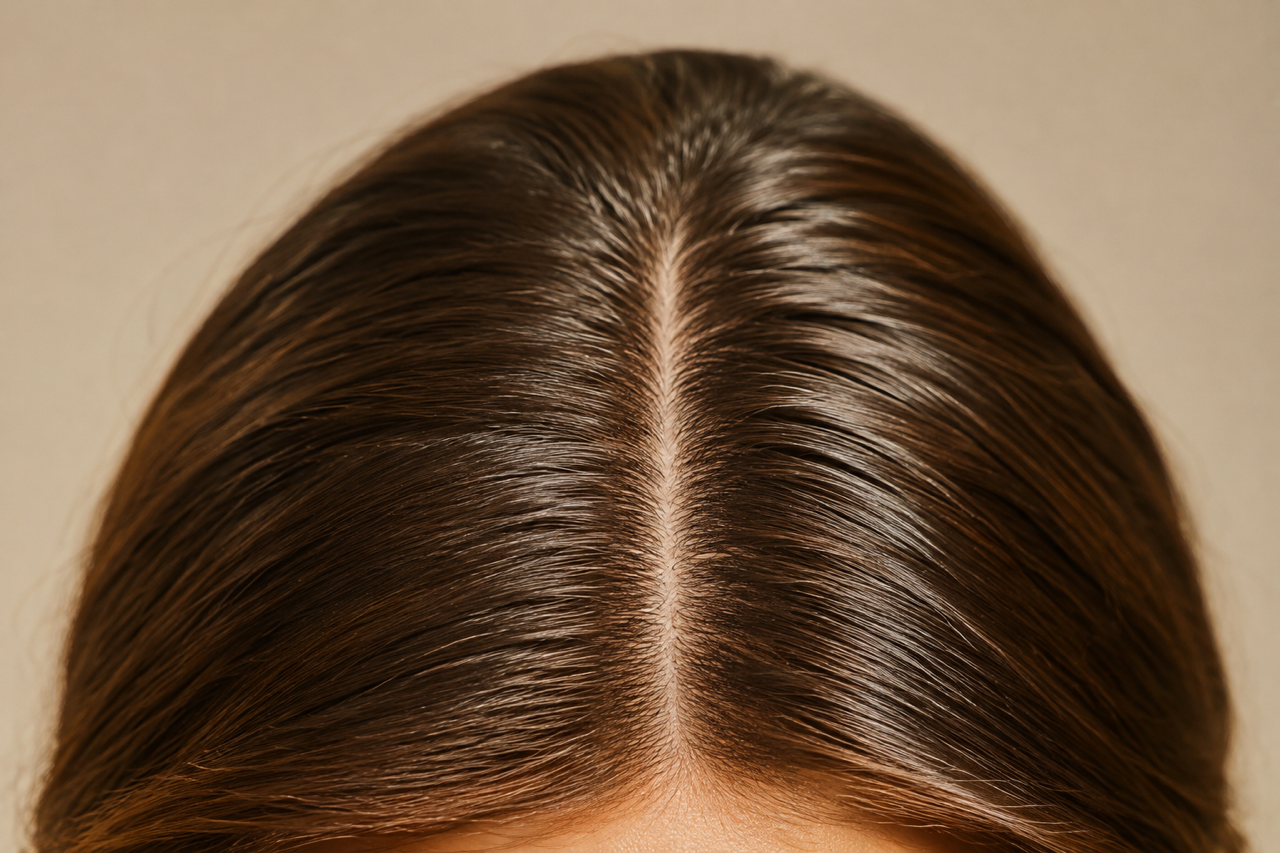
Beyond facial aesthetics, PRF is also used for hair restoration. When injected into the scalp, the growth factors may help support hair follicles and encourage new growth.
What to expect during a PRF treatment
Understanding the procedure helps ease any anxiety about trying a new treatment. A typical PRF session is quick, minimally invasive, and requires little downtime.
Step 1: The Blood Draw
The appointment starts like a standard blood test. A small amount of blood is drawn from your arm into specialized tubes.

Step 2: Centrifugation
The tubes are immediately placed in a centrifuge. This machine spins the blood to separate the red blood cells from the platelet-rich fibrin clot. This must be done quickly so the fibrin matrix forms correctly without anti-clotting agents.
Step 3: Extraction and Application
The golden PRF layer is extracted from the tube. Depending on your specific treatment plan, your provider uses PRF in two main ways:
Injections: The liquid PRF is injected directly into target areas like under-eyes or deep lines using a fine needle or cannula.
Microneedling: PRF is applied topically to the skin during a microneedling session. The micro-channels created by the needles allow the PRF to penetrate deep into the dermis. Learn more about how microneedling may be combined with Platelet-Rich Fibrin (PRF) for additional regenerative support.
Step 4: Recovery
Recovery is based on the treatment area and how PRF is administered. Temporary redness, tenderness, swelling, and bruising are common after injections. These effects often improve within several days, although bruising or swelling may last longer.
Less common risks include infection, inflammation, and other injection-related complications. Because PRF is prepared from your own blood, the risk of an allergic reaction to the PRF itself is low. This does not mean the treatment is risk-free. Your provider will review your medical history, treatment expectations, and appropriate aftercare instructions before proceeding.
Is PRF right for you?
PRF therapy is an excellent option for those seeking natural results. It appeals particularly to those who are hesitant about synthetic fillers or who want to improve skin quality rather than only altering facial shape.
It is usually safe for most people, but a consultation with a qualified provider is essential. They will assess your medical history and skin concerns to determine if PRF is the right approach for you.
If you are searching for PRF Skin Treatment options, choosing a provider who understands the nuances of this therapy makes a real difference. The effectiveness of PRF depends heavily on preparation technique and how quickly it is processed.
A Different Approach to Skin Rejuvenation
Not every aesthetic treatment needs to focus on adding volume or relaxing facial muscles.
For patients interested in supporting skin quality, PRF offers another option worth exploring.
Because it uses components derived from your own blood, PRF takes a different approach from traditional injectable treatments. Its potential benefits are associated with growth factors and cellular processes involved in tissue repair.
Results, when achieved, tend to develop gradually, and multiple sessions may be recommended depending on the treatment area and individual goals.
PRF is not right for everyone, which is why understanding your skin, anatomy, and expectations matters.
Explore PRF at Aesthetic Journey
Aesthetic Journey in San Clemente, CA, Maggie Richard, RN, BSN, and Maureen Garrett, RN, BSN, believe in thoughtful, individualized aesthetic care rooted in experience and ongoing education.
Whether you are exploring PRF for skin rejuvenation, under-eye concerns, or hair restoration, understanding your options is the first step.
We offer personalized consultations to discuss your goals, evaluate your concerns, and determine whether PRF may be an appropriate part of your treatment plan.
Book your consultation at Aesthetic Journey in San Clemente today. Visit aestheticjourneyoc.com to connect with Maureen Garrett, RN, BSN, or Maggie Richard, RN, BSN.
About the Author
Maggie Richard, RN, BSN is a master injector and co-founder of Aesthetic Journey in San Clemente, CA. She has over 28 years of nursing experience and 8 years specializing in aesthetics. Her hospital background includes Cardiac Surgery and Neurosurgery Step Down units. She trained under nationally recognized master injectors and focuses on natural facial rejuvenation through trust and collaboration with her patients. →Learn more about Maggie
**Individual results vary. Articles are for educational purposes and are not medical advice. A consultation is the best way to learn what is right for you.