Microneedling stimulates your skin's natural collagen production to gradually improve texture, tone, and firmness. Here is a medically grounded guide to how it works, who is a candidate, and what to expect.
By Maggie Richard, RN, BSN
Many patients want clearer, more refined skin but are unsure which treatments are evidence-based and appropriate for their goals. Microneedling, also known as collagen induction therapy, is a minimally invasive procedure designed to stimulate the body's natural collagen production and gradually improve overall skin quality.
If you are researching microneedling and want to understand how it works, who may be a candidate, and what to expect, this guide provides a medically grounded overview. It also explains how microneedling may be combined with Platelet-Rich Fibrin (PRF) for additional regenerative support.
What Is Microneedling?
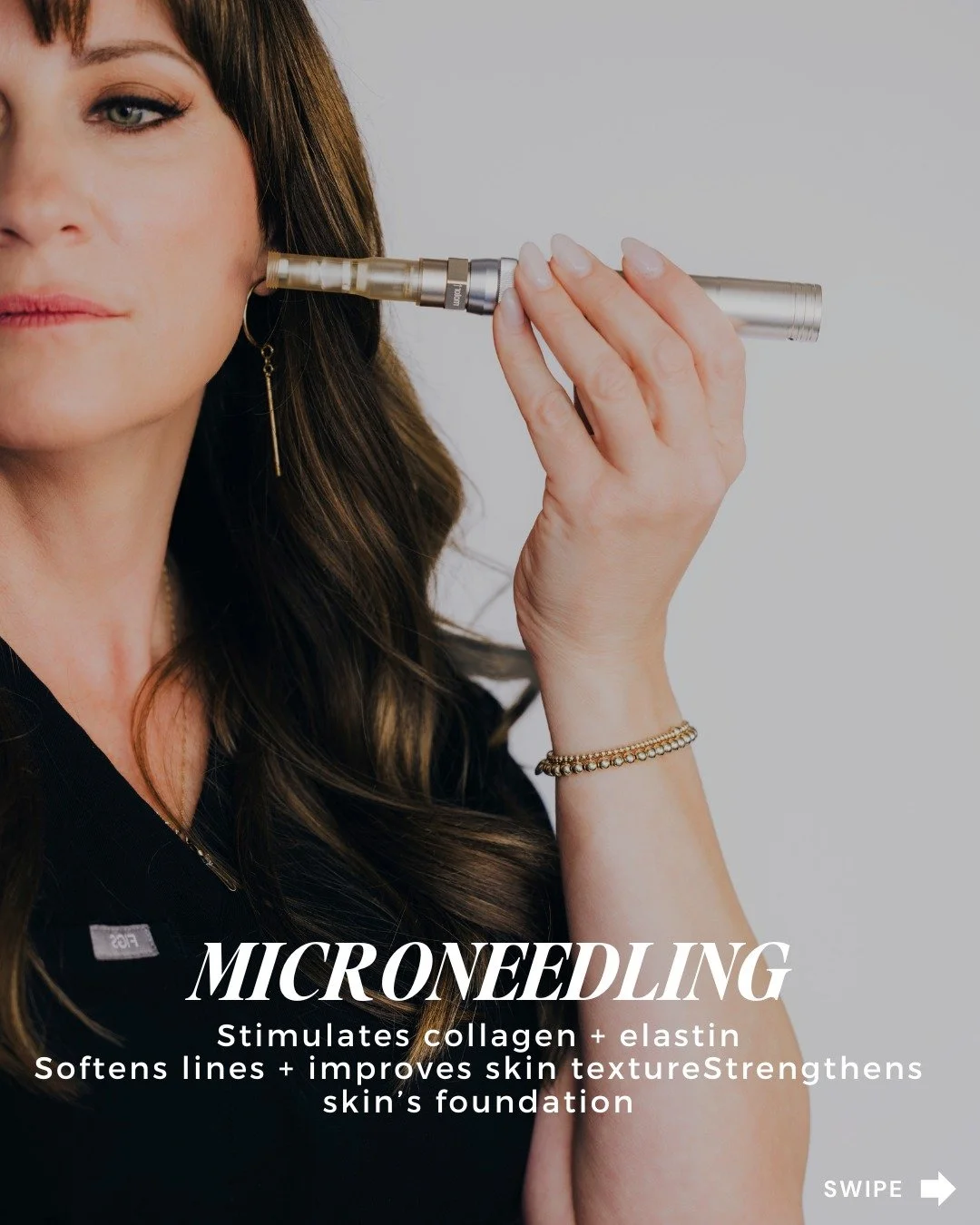
Microneedling is a medical aesthetic procedure that uses a device with sterile, fine needles to create controlled micro-channels in the skin. These micro-injuries are designed to trigger the body's natural wound-healing response.
As part of this response, the skin stimulates collagen production and supports improved skin structure over time. These structural proteins help support firmness, elasticity, and smoother texture over time.
Microneedling may be used to address:
Fine lines and early skin laxity
Acne scarring
Enlarged pores
Uneven skin tone
Mild textural irregularities
Unlike ablative laser procedures, microneedling does not remove the outer layer of skin. Because the outer layer of skin is not removed, downtime is typically shorter compared to more aggressive resurfacing treatments.
Why Is Collagen Stimulation Important?
Collagen is the primary structural protein in the skin. Beginning in early adulthood, natural collagen production gradually declines. This decrease contributes to visible changes such as thinning skin, fine lines, and reduced firmness.
Microneedling is designed to stimulate new collagen formation within the dermis. Rather than temporarily filling lines, collagen induction therapy works beneath the surface to support gradual structural improvement.
Results develop over time. Some individuals notice early improvement in skin radiance within one to two weeks, while more visible textural improvement often appears over several months as collagen remodeling continues. Individual outcomes vary.
What Is PRF and How Does It Support Microneedling?
Platelet-Rich Fibrin, commonly referred to as PRF, is derived from a small sample of your own blood. The sample is processed to concentrate platelets, white blood cells, and growth factors within a natural fibrin matrix.
When applied during microneedling, PRF may support the skin's natural regenerative response by delivering growth factors directly into the micro-channels created during treatment. Because PRF releases these growth factors gradually, it may support sustained tissue repair and collagen stimulation.
Who May Be a Candidate for Microneedling?
Microneedling may be appropriate for healthy adults who want to address texture concerns, early signs of aging, or acne scarring.
Common treatment goals include:
Softening fine lines
Improving skin tone and texture
Reducing the appearance of acne scars
Supporting preventative collagen maintenance
Because microneedling does not rely on heat or harsh chemicals, it is generally considered appropriate for most Fitzpatrick skin types when performed by a trained medical professional.
However, individuals with active skin infections, uncontrolled acne, open wounds, certain inflammatory skin conditions, or a history of keloid scarring may not be appropriate candidates. A comprehensive consultation is required to determine eligibility.
What to Expect During a Microneedling Appointment
At Aesthetic Journey in San Clemente, CA, I (Maggie Richard, RN, BSN) perform microneedling treatments following a detailed consultation process.
A typical visit includes:
Consultation and Evaluation
Your provider reviews your medical history, skin condition, and goals to determine whether microneedling or microneedling with PRF is appropriate.
Preparation
The skin is cleansed, and a topical anesthetic may be applied to increase comfort.
Treatment
The microneedling device is passed across the skin in a controlled pattern. Depth is adjusted based on the treatment area and clinical objectives. Mild pinpoint bleeding may occur during treatment.
Post-Treatment Care
Soothing products are applied, and aftercare instructions are reviewed in detail.
Most appointments last approximately 60 to 90 minutes.
Recovery and Aftercare
After treatment, mild redness is common and typically resolves within 24 to 48 hours. Some individuals may experience light flaking or dryness over the following several days.
Aftercare recommendations often include:
Avoiding makeup for 24 hours
Avoiding strenuous exercise or excessive heat exposure for 24 hours
Using gentle skincare products
Avoiding retinoids and exfoliating acids for several days
Applying broad-spectrum sunscreen daily
Protecting your face from the sun with a hat and sunglasses
Specific instructions are tailored to your skin type and treatment plan.
Professional Microneedling vs. At-Home Devices
At-home dermal rollers typically use short, fixed needle lengths and are not designed to reach the depth required for meaningful collagen remodeling. They may also carry an increased risk if not used properly.
Medical-grade microneedling devices allow for adjustable depth, sterile technique, and individualized treatment planning. This level of precision supports both safety and effectiveness.
Microneedling for Patients in San Clemente and Orange County
For individuals researching microneedling in San Clemente or Orange County, selecting a medically supervised practice is important.
At Aesthetic Journey, treatment plans are individualized based on anatomy, skin condition, and long-term goals. As a patient in San Clemente or anywhere in OC, you can expect:
A comprehensive consultation
Conservative, anatomy-based technique
Clear discussion of potential risks and benefits
Realistic expectations regarding results and timeline
Frequently Asked Questions About Microneedling
-
Many individuals undergo a series of 3 to 4 treatments spaced several weeks apart. The exact number depends on the condition being treated and desired outcomes. Patients seeking improvement in acne scarring typically need 6 to 8 treatments.
-
Some brightness may appear within one to two weeks. Collagen remodeling continues over several months.
-
Yes. Depending on your goals, microneedling may be combined with PRF or integrated into a broader skin treatment plan.
If you would like to learn whether microneedling or microneedling with PRF is appropriate for your skin, I invite you to schedule a consultation.
Book your consultation at Aesthetic Journey in San Clemente today. Visit aestheticjourneyoc.com to connect with Maggie Richard, RN, BSN or Maureen Garrett, RN, BSN.
About the Author
Maggie Richard, RN, BSN is a master injector and co-founder of Aesthetic Journey in San Clemente, CA. She has over 28 years of nursing experience and 8 years specializing in aesthetics. Her hospital background includes Cardiac Surgery and Neurosurgery Step Down units. She trained under nationally recognized master injectors and focuses on natural facial rejuvenation through trust and collaboration with her patients. →Learn more about Maggie
**Individual results vary. Articles are for educational purposes and are not medical advice. A consultation is the best way to learn what is right for you.