BOTOX® Aftercare: What to Avoid for a Smooth Recovery
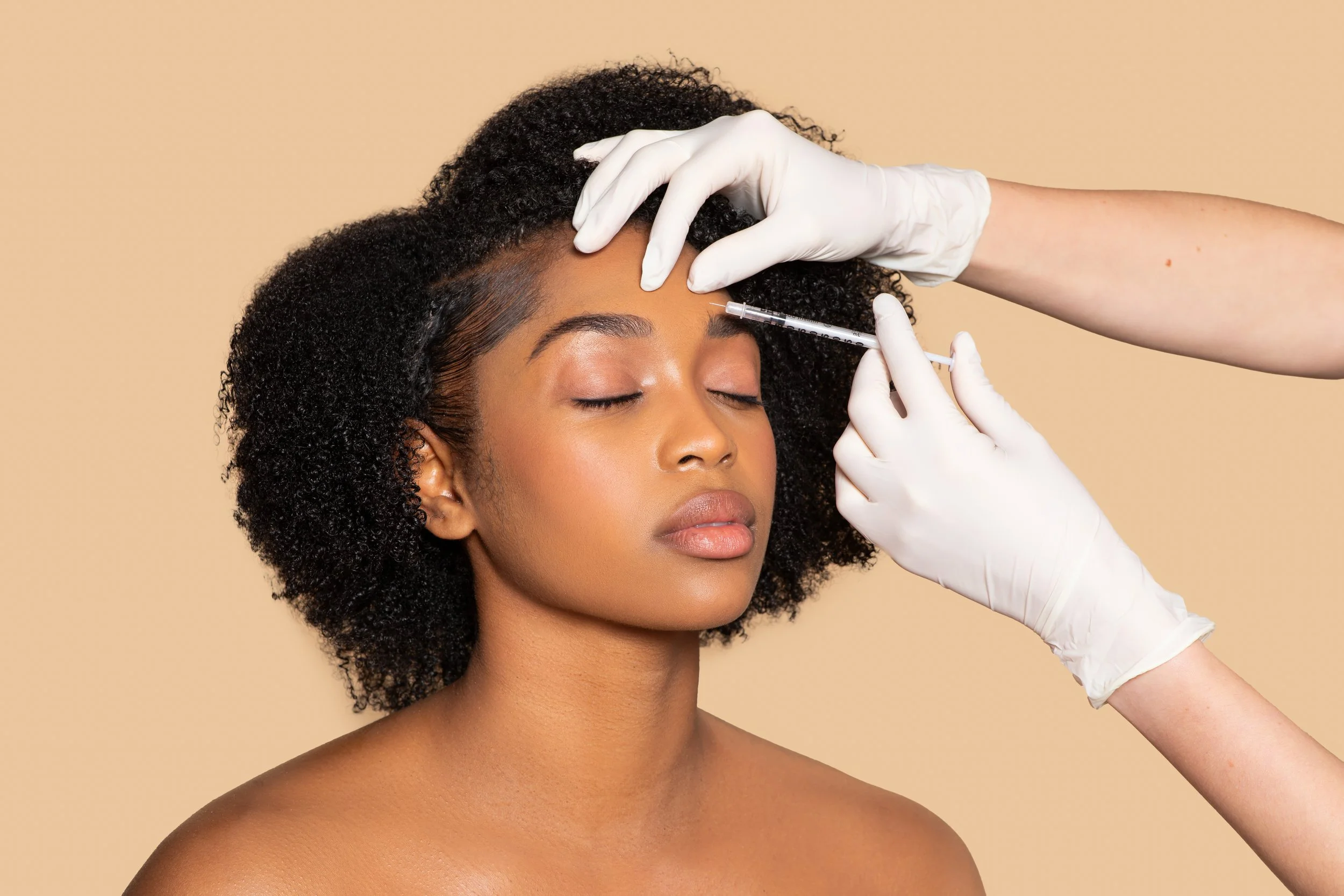
Proper Botox aftercare helps the neurotoxin settle where it is meant to, supporting a smooth recovery and results that last. Here is what to avoid in the first 24 to 48 hours post-treatment.
By Maggie Richard, RN, BSN
You have finally done it. You booked the Botox appointment, sat in the chair, and treated yourself to a fresher, rejuvenated look. Walking out of the clinic, you probably feel a mix of excitement and anticipation, waiting for those fine lines to soften and your confidence to grow. But the procedure itself is only half the story. What you do - or do not do - in the hours and days following your appointment plays a real role in how your results turn out.
Proper aftercare helps the neurotoxin settle where it is meant to, supporting a smooth recovery and results that last. While Botox is a non-invasive "lunchtime procedure," it still deserves a little respect and some specific care. Skipping these steps can occasionally lead to product migration, temporary drooping, or results that fall short of what you were hoping for.
At Aesthetic Journey, we believe that an informed patient gets the best outcomes. We want you to feel confident in your results. To help you get through the first 24 to 48 hours post-treatment, we have put together a guide on what to avoid - so your new look has the best chance to settle in the way it is designed to.
The Golden Rule: Keep Hands Off
The most important instruction you will receive is also the simplest: do not touch your face. It is natural to feel curious about the injection sites - you might notice small bumps or minor tenderness and want to rub or massage the area. Try to resist.
Massaging or rubbing the treated area can cause the product to migrate to unintended muscles. If that happens, it can cause temporary facial weakness or drooping (ptosis), particularly around the eyes and brows. This is not permanent, but it can take a few weeks to fully resolve.
Avoid chemical peels, microdermabrasion, or facial massages for at least 1 to 2 weeks, since the pressure and manipulation involved can shift the product before it is fully settled. A gentle facial (nothing exfoliating or hands-on) is generally fine after 24 hours, but check with your provider first. Even applying makeup should be done gently, with clean brushes and a light touch.
Gravity Matters: Avoid Lying Flat
After your injections, gravity is your friend. Most practitioners recommend staying upright for at least four hours after the procedure. This helps keep the product in the specific muscles your injector targeted.
Lying flat on your back or stomach too soon can increase the risk of the product shifting. That does not mean you need to sit rigidly - working at a desk or relaxing on the couch is fine. Hold off on a nap or a massage right after your appointment. If you have an evening appointment, prop yourself up with extra pillows that night.

Skip the Gym for a Day
If you are a regular at the gym, plan on a rest day. High-intensity workouts raise your heart rate and blood pressure, which increases blood flow to the face - and that circulation can affect how the product settles before it has had time to bind.
Strenuous exercise also usually means sweating, straining, and touching your face to wipe it off, which brings us back to rule one. Wait at least 24 hours before running, lifting, or intense cardio. Light walking is perfectly fine.
Heat Exposure: Saunas, Tanning, and Hot Showers
Heat causes vasodilation - widening of the blood vessels - and similar to exercise, the increased circulation can affect the product and encourage bruising.
For the first 24 to 48 hours, steer clear of:
Saunas and steam rooms
Hot tubs
Tanning beds
Sunbathing
hot showers
Keep your face cool and calm. Use lukewarm water when washing, and skip the scrubbing. If you will be outside, a hat is a good idea to protect the treated area from direct sun.
The Alcohol Pause
You might want to toast to your new look, but alcohol thins the blood and can increase the risk of bruising at the injection sites - both before and after treatment. If a tiny vessel is nicked during injection, alcohol in your system can make it harder for that spot to clot quickly, leading to a more visible bruise. For the smoothest recovery, skip alcohol for at least 24 hours post-treatment (and ideally beforehand too).
Medications and Supplements
Certain over-the-counter medications and supplements can also thin the blood and increase bruising risk. Unless prescribed by a doctor for a medical condition, it is worth avoiding these for a day or two before and after treatment:
Aspirin
Ibuprofen (Advil, Motrin)
Vitamin E
Fish Oil or Omega-3 supplements
Gingko Biloba
Ginseng
If you need pain relief, Tylenol (acetaminophen) is generally considered a gentler option since it does not carry the same blood-thinning effect. As always, check with your provider about any medications or supplements you are currently taking.

When Do Results Actually Show Up?
Patience is essential with Botox - you will not see the final results the moment you leave the appointment. It takes time for the neurotoxin to bind to the nerve receptors and stop the muscle contractions that cause wrinkles.
Days 2-4: You might start to notice a softening in muscle movement, though lines will likely still be visible.
Day 7: Many patients see noticeable improvement by the one-week mark.
Day 14: This is typically when results are fully settled in.
If things look a little uneven at first, that is common - one side of the face often responds slightly faster than the other. Give it the full two weeks before judging the outcome, and reach out to your provider if anything feels off. For information on how long treatments last, read our blog, How Long Does Botox Last? The Real Timeline Revealed.
Aftercare in San Clemente and Orange County
If you are local to Orange County, having a provider who walks you through Botox aftercare - not just the appointment itself - makes a real difference. At Aesthetic Journey, every patient receives clear, written aftercare instructions specific to their treatment plan, because we know the sun and activity that come with life here call for a little extra attention during recovery.
Frequently Asked Questions About Botox Aftercare
-
Keep your face clean for at least 24 hours to reduce the risk of bacteria near the injection sites. If you need to apply makeup sooner, use clean brushes and a light touch.
-
Flying is generally safe after Botox. Some providers recommend waiting 24 to 48 hours as a precaution around cabin pressure changes, though there is no clear clinical evidence that flying affects results
-
A mild headache is a common, short-lived side effect after Botox injections. Tylenol (acetaminophen) is a good option for relief — avoid aspirin or ibuprofen, as both thin the blood and increase bruising risk. If your headache is severe or does not improve within a day, contact your provider.
-
After the first four hours upright, yes. Sleeping on your back the first night is the better option for the treated area.
Getting the Most From Your Treatment
Botox is a popular option many patients choose to help soften the appearance of fine lines, but like any medical treatment, it relies on precision - and a little care from you afterward goes a long way. Avoiding heat, pressure, and blood thinners in those first couple of days gives the product the best chance to do what it is meant to do.
If you have questions about your own aftercare, or you are curious whether Botox is a good fit for you, we are happy to talk it through at a consultation.
Curious how Botox works before you have even booked, or what to expect at your first appointment? Our guide, Botox: Your Guide to a Smoother, More Natural You, covers the basics from consultation through treatment.
Book your consultation at Aesthetic Journey in San Clemente today. Visit aestheticjourneyoc.com to connect with Maureen Garrett, RN, BSN, or Maggie Richard, RN, BSN.
About the Author
Maggie Richard, RN, BSN is a master injector and co-founder of Aesthetic Journey in San Clemente, CA. She has over 28 years of nursing experience and 8 years specializing in aesthetics. Her hospital background includes Cardiac Surgery and Neurosurgery Step Down units. She trained under nationally recognized master injectors and focuses on natural facial rejuvenation through trust and collaboration with her patients. →Learn more about Maggie